Home / Journal / Why is eating healthy so complicated?
Why is eating healthy so complicated?
Why is eating healthy so complicated? Every week brings a new fix to try. Why keeping up is so exhausting, and why the unsexy basics still do the most.
Kylie Gillin, Bachelor of Health Science in Food and Nutrition · 20 November 2026 · 5 min read
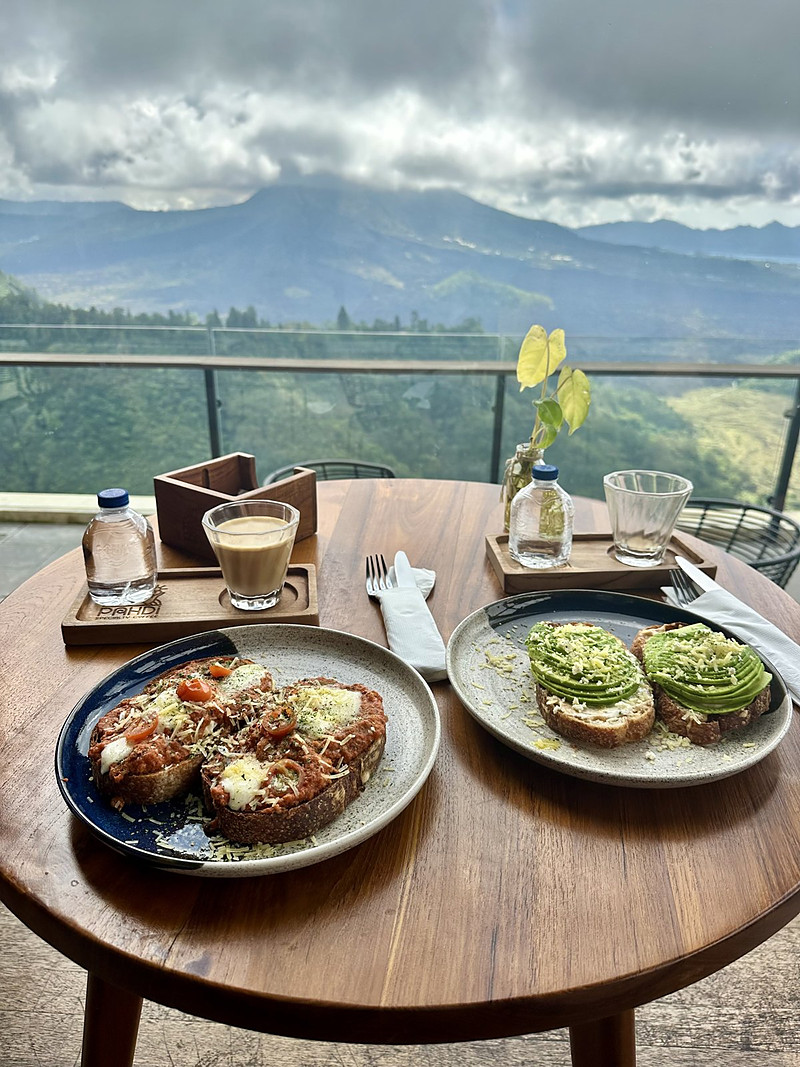
Eating healthy feels complicated because everyone has an answer, and each one comes with something new to track, buy, cut out or check. Keeping up with it all is exhausting. The research keeps coming back to a few unexciting basics, and when your meals follow a steady pattern, a lot of the noise may matter less than it seems.
This post draws on research into dietary patterns and conflicting health advice, checked against the original studies on 20 November 2026. The sources are at the end.
It's the end of the day and you've got ten minutes on the couch with your phone. The first video says your hormones need balancing. The next says it's your gut. Then your blood sugar, then a protein target, then a list of ingredients to stop eating, then a powder that fixes all of it.
You put the phone down feeling more tired than when you picked it up, and none the wiser about what to have for dinner.
Why is eating healthy so complicated?
Because almost everyone has an answer, and most of them come with a job attached. Optimise your hormones. Reset your gut. Watch your glucose. Hit a protein number. Cut out anything you can't pronounce. Each one is something new to track, buy, avoid or check.
Some of these ideas have something in them for some people. Together, they turn eating into a project. When you're already carrying a full week, a project is the last thing you need at six o'clock.
Why does keeping up feel so exhausting?
Because every new piece of advice is another decision, and you're already making plenty. You're the one keeping track of the meetings, the school forms and what's in the fridge. Adding a set of food rules on top is one more thing to carry.
Conflicting advice can also wear down your trust in all of it. In one large survey, people who saw more contradictory nutrition news were more likely to feel confused about what to eat and to believe nutrition scientists keep changing their minds. The researchers found signs that this may lead people to doubt even the advice that hasn't changed, like eating more fruit and vegetables. So the noise can end up making the basics feel as uncertain as the latest fix.
Why does the same tiredness get so many explanations?
Scroll long enough and you'll find someone sure they know why you feel the way you do. It's your hormones. It's your gut. It's your blood sugar, your cortisol, your thyroid, your protein.
The same tiredness, brain fog and bloating get pinned on all of them. Any one of these could be part of the picture for you, a few of them could be, or it could be something else entirely. Working out which takes a lot of time and headspace, and the basics that may help across the board can get lost along the way.
What does the research keep coming back to?
The unsexy stuff. Research on whole eating patterns, rather than single foods or nutrients, keeps landing in the same place. Patterns built around vegetables, fruit, wholegrains, legumes, nuts, fish and olive oil are linked with lower risk of heart disease, type 2 diabetes and some cancers.
Eating more fruit and vegetables on its own has been linked with a lower risk of heart disease, stroke and early death. The Australian Dietary Guidelines say much the same thing in plainer words. Enjoy a variety of foods from the five food groups every day.
A large review of the evidence found no systematic reviews on the long-term health effects of many popular diets, including paleo and gluten-free eating for people who don't need it. It also found that most popular weight loss diets end up in a similar place, and that sticking with them is the biggest challenge.
The evidence points towards a pattern you can keep up on an ordinary Tuesday.
How does a balanced plate take the noise out?
This is the way I build plates, and it's what the recipes in my program Small Shifts: Three Weeks are built on. Half the plate is vegetables. A quarter is protein. A quarter is complex carbohydrates, like brown rice, wholegrain bread or potatoes with the skin on. Then a little healthy fat, and something for flavour. It works from the same idea as the Australian Guide to Healthy Eating, which shows the five food groups in the proportions recommended each day.
It's one decision you can make over and over, which is what I like about it. You don't need a different rule for your hormones, your gut and your energy. A plate like this already brings protein, fibre and healthy fats together, which to me covers a lot of what the louder advice is reaching for.
In my experience, when most meals follow a steady pattern like this, a lot of the noise stops feeling urgent. It doesn't need to be perfect. Most of your meals, most of the time, is enough to work with.
Is any of the extra stuff worth it?
Sometimes, for some people. Low iron, thyroid problems and a range of other health conditions can all leave you tired in ways a balanced plate won't fix on its own. If something isn't right, a health professional can check what's going on. Gut symptoms in particular can have more than one cause, stress included.
None of this means all advice is wrong. The basics just tend to come first, and they're often skipped on the way to something more exciting.
The basics don't make good headlines, which is part of why they get lost. They're also the part you can come back to on any day, without a new product, a tracker or a list of rules. A plate you know how to build, enough food through the day, a decent night's sleep and some time with people you like can carry you a long way, and none of it needs to be complicated.
Every fortnight I write Small Shifts, Big Impact, an email with three small, evidence-based habits that fit around a full week, without the noise. You pick one to try.
Free, every second Friday. Unsubscribe anytime. Privacy policy
Questions women ask
Why is there so much conflicting nutrition advice?
Partly because single studies get reported as big news, and partly because nutrition research is hard to do well. Studies that look at whole eating patterns over many years tend to agree more than the headlines suggest.
Do I need to track my food to eat healthily?
Not usually. A steady pattern, like a balanced plate at most meals, covers a lot of ground without counting. If you have a medical condition, a health professional can tell you whether tracking helps in your case.
What is "the unsexy stuff that works"?
It's my name for the unexciting basics that research keeps supporting, like vegetables, enough food, sleep, movement and people. They don't make good headlines, but they tend to do the most.
Kylie Gillin
Nutritionist, lifestyle medicine coach and mind-body facilitator
Bachelor of Health Science in Food and Nutrition, and more than 500 hours of training across yoga, polyvagal theory, the nervous system, embodiment and trauma-sensitive practice. More about me
Last reviewed 20 November 2026
Sources
- Nagler RH. Adverse outcomes associated with media exposure to contradictory nutrition messages. J Health Commun. 2014;19(1):24-40. doi:10.1080/10810730.2013.798384
- Schulze MB, Martínez-González MA, Fung TT, Lichtenstein AH, Forouhi NG. Food based dietary patterns and chronic disease prevention. BMJ. 2018;361:k2396. doi:10.1136/bmj.k2396
- Aune D, Giovannucci E, Boffetta P, et al. Fruit and vegetable intake and the risk of cardiovascular disease, total cancer and all-cause mortality: a systematic review and dose-response meta-analysis of prospective studies. Int J Epidemiol. 2017;46(3):1029-1056. doi:10.1093/ije/dyw319
- National Health and Medical Research Council. Australian Dietary Guidelines. Canberra: NHMRC; 2013. eatforhealth.gov.au
- National Health and Medical Research Council. Australian Guide to Healthy Eating. Canberra: NHMRC; 2013. eatforhealth.gov.au
- Better Health Channel (Victorian Government). Fatigue. betterhealth.vic.gov.au
Small Shifts, Big Impact
Free, every second Friday. Unsubscribe anytime. Privacy policy
 Food and nutrition
 Nervous system
 Lifestyle